Research Material: Perilla (Perilla frutescens)
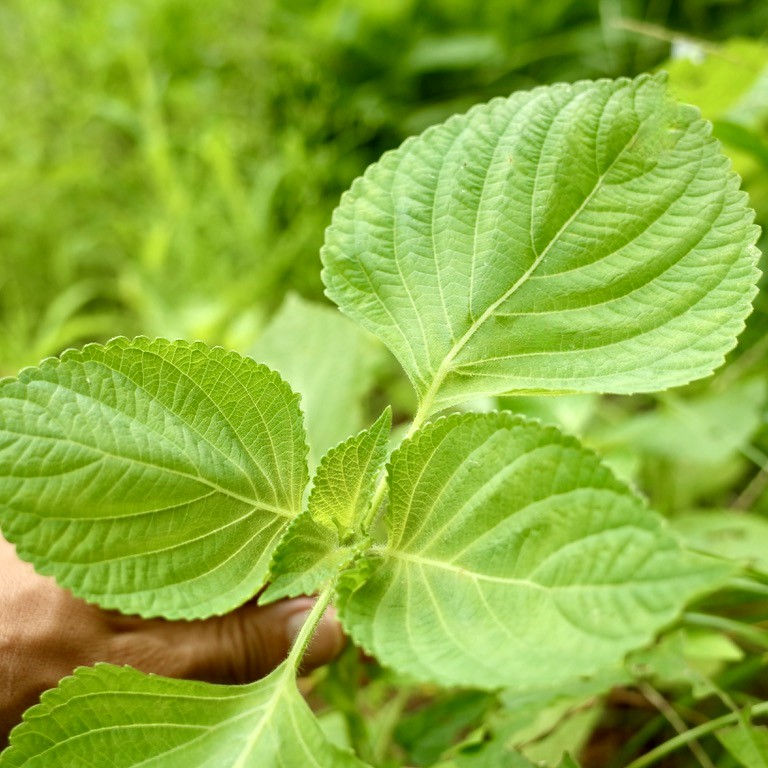
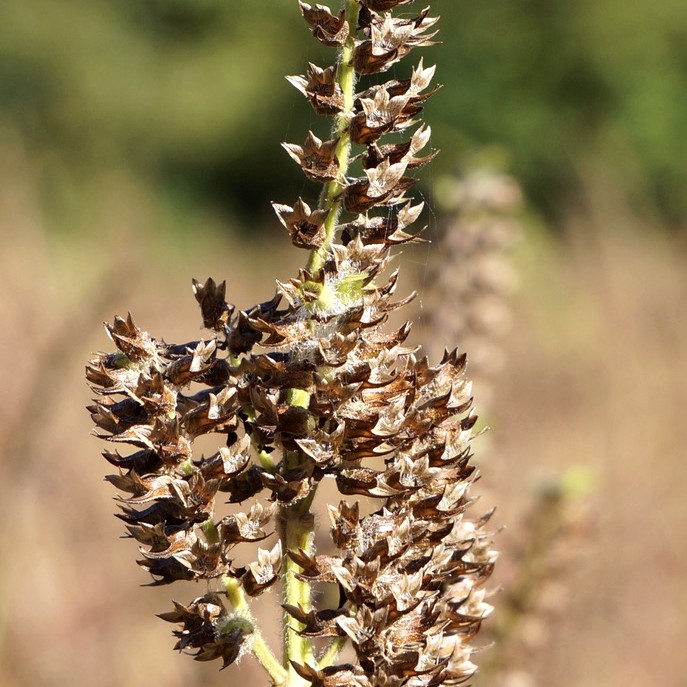
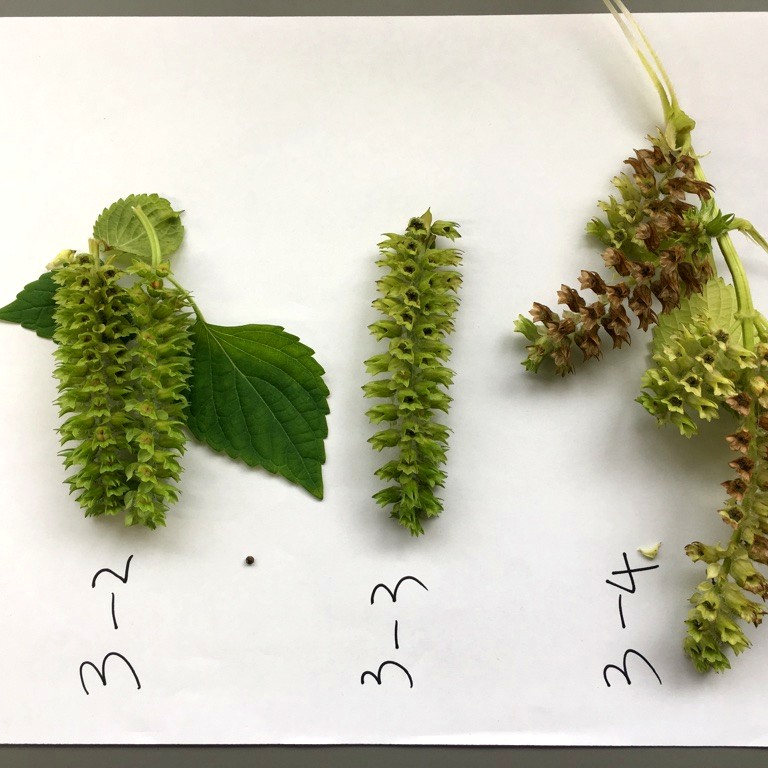
Perilla is an annual plant of the mint family, widely grown and naturally occurring across Asia, including Japan, Korea, and China. Oil pressed from its seeds — perilla oil — boasts one of the highest omega-3 fatty acid contents among plant oils.
Perilla Oil and the Diversity of Triglycerides
Oil pressed from perilla seeds contains 50–60% α-linolenic acid, an omega-3 fatty acid, making it attractive as a "healthy oil." However, like EPA and DHA, α-linolenic acid is heat-sensitive and prone to oxidation.
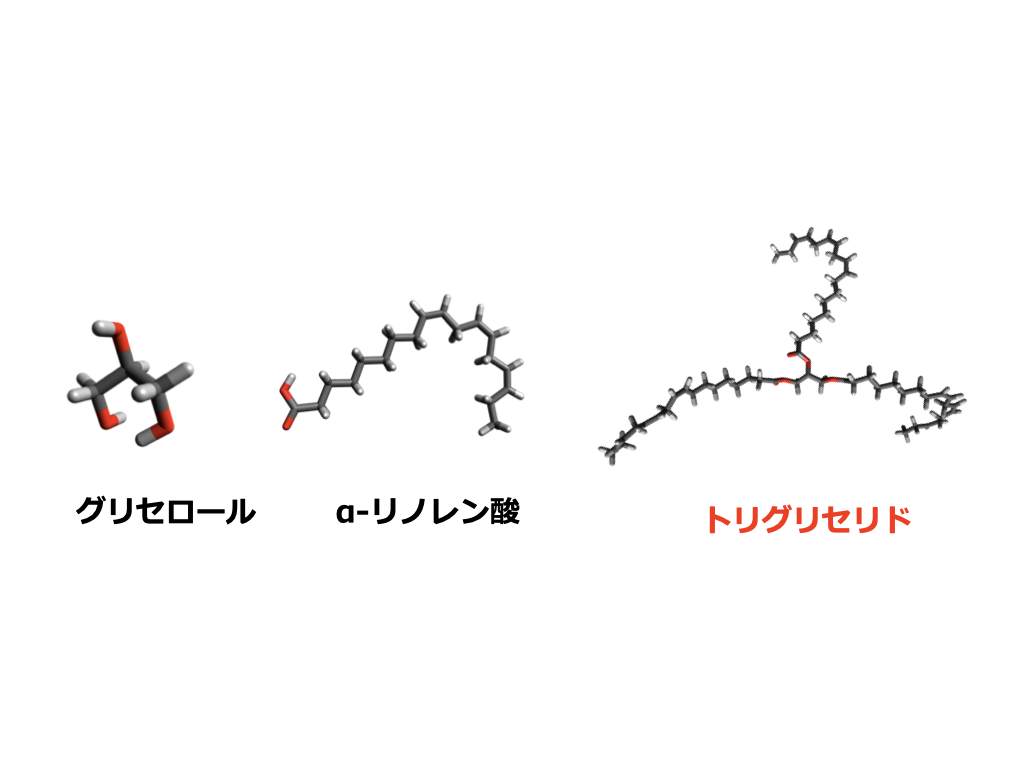
The main component of perilla oil is triglyceride: a molecule with three fatty acids ester-bonded to a single glycerol backbone. Depending on the combination and position (sn-1, sn-2, sn-3) of the five major fatty acids (palmitic acid, stearic acid, oleic acid, linoleic acid, and α-linolenic acid), an enormous number of distinct triglyceride species can exist. With just five fatty acids, there are mathematically 125 possible combinations — meaning that the liquid we call "perilla oil" actually contains an enormous diversity of molecules.
Encapsulation and Powdering with γ-CD
Previous research had shown that cyclodextrins form inclusion complexes with free fatty acids (fatty acids not bound by ester linkages), functioning as molecular capsules that protect them from oxidation.
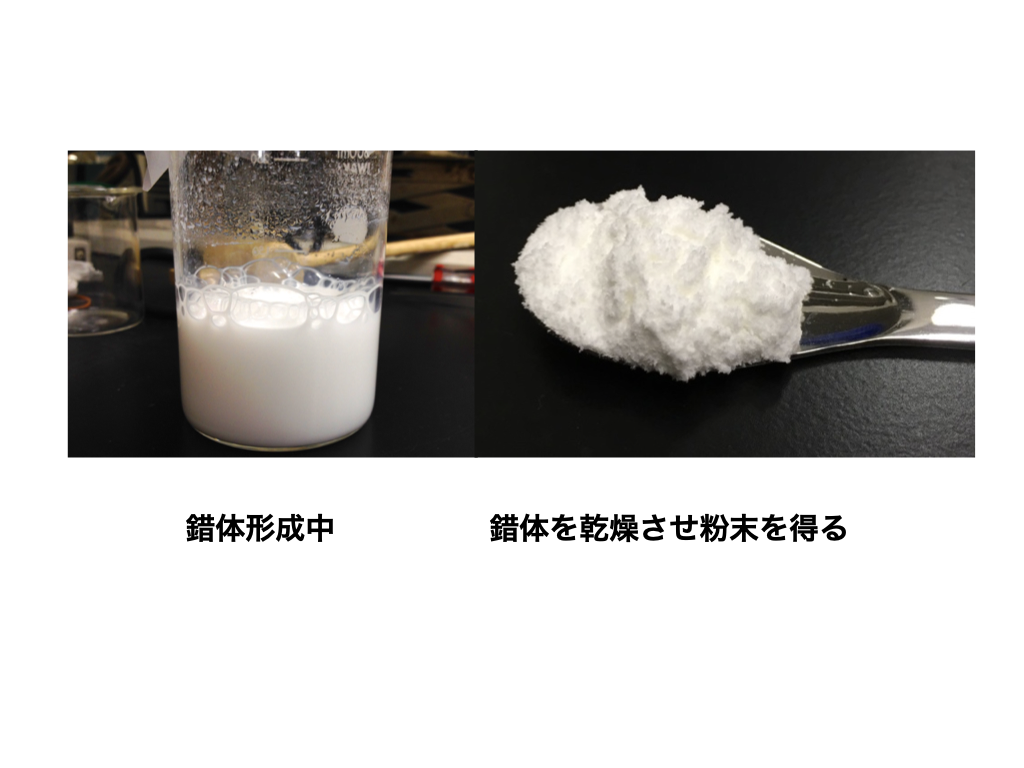
We prepared inclusion complexes between γ-cyclodextrin (γ-CD), made of eight glucose units, and perilla oil. As a result, we found that the complex — with relatively high thermal stability — could be recovered as a solid (powder). This makes it possible to turn perilla oil into a powder, suppressing oxidation and making it far easier to handle as granules, tablets, powdered foods, and other food formats.
Figures & Data
Related Publications
Yoshikiyo et al. (2019) Food Chemistry — doi:10.1016/j.foodchem.2019.04.093
Keisuke Yoshikiyo (2020) Journal of Industry-Academia-Government Collaboration (in Japanese) — doi:10.1241/sangakukanjournal.16.11_4
Keisuke Yoshikiyo (2026) Surface and Interface (in Japanese) — doi:10.4164/sptj.63.181